
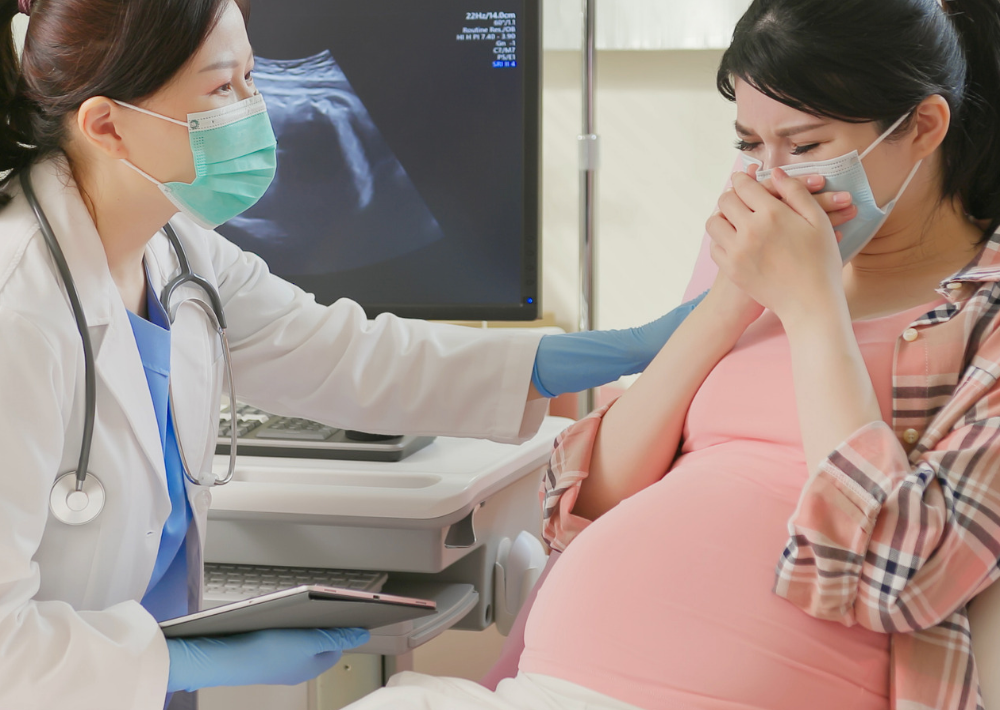
Pregnancy Complications – Common Problems, Warning Signs & Care Guide
Pregnancy is an important period of physical and emotional change. Most pregnancies progress normally, but complications can sometimes develop during pregnancy and may require closer medical monitoring or treatment. Some problems can occur without obvious symptoms, which is why regular antenatal care is important.
Pregnancy complications may include high blood pressure disorders such as pre-eclampsia, infections, anaemia, diabetes and other conditions that can affect the health of the mother or baby. Early identification allows healthcare professionals to assess the situation and decide what monitoring or treatment may be appropriate.
What Are Common Pregnancy Complications?
Pregnancy complications can affect the mother, the baby, or both. Some may be detected during routine pregnancy appointments, while others may cause noticeable symptoms.
High Blood Pressure and Pre-eclampsia
Pre-eclampsia is a pregnancy-related high blood pressure disorder that typically develops after 20 weeks of pregnancy. It may involve high blood pressure and protein in the urine and can sometimes become serious if not detected and managed appropriately.
Possible symptoms include persistent severe headache, vision changes, pain in the upper abdomen and sudden swelling of the face or hands. However, some women may not notice symptoms, which is why blood pressure and urine checks during antenatal appointments are important.
Gestational Diabetes and Anaemia
Diabetes and anaemia are among the health conditions that can affect pregnancy. WHO notes that diabetes and anaemia can contribute to pregnancy and childbirth-related complications. Regular antenatal care helps healthcare professionals identify health concerns and arrange appropriate investigations when required.
If a pregnant woman has an existing medical condition, it is important to discuss it with her healthcare professional so that her pregnancy care can be planned appropriately.
Pregnancy-Related Infections and Other Health Problems
Infections and other medical conditions can also affect pregnancy. WHO identifies infections and chronic health conditions among important contributors to pregnancy-related complications.
The appropriate evaluation depends on the woman’s symptoms, medical history and stage of pregnancy. Pregnant women should seek medical advice rather than self-treating symptoms or taking medicines without professional guidance.
What Are the Warning Signs of Pregnancy Complications?
Not every pregnancy complication causes obvious symptoms. However, certain warning signs should not be ignored during pregnancy.
Vaginal Bleeding, Abdominal Pain and Fluid Leakage
Vaginal bleeding and significant abdominal pain can require medical assessment during pregnancy. WHO lists bleeding and abdominal pain among pregnancy danger signs.
Fluid leaking from the vagina can also require assessment, particularly when it may indicate that the membranes have ruptured before labour. Do not assume that unusual bleeding, pain or fluid leakage is normal without speaking to a healthcare professional.
Severe Headache, Vision Changes and Sudden Swelling
A severe or persistent headache, blurred vision or other visual disturbances, and sudden swelling can be warning signs of pre-eclampsia. These symptoms should be assessed promptly.
Other concerning symptoms may include severe upper abdominal pain, feeling very unwell or vomiting later in pregnancy. If these symptoms occur, contact your maternity or healthcare team for urgent advice.
Changes in Baby’s Movements and Other Warning Signs
Changes in the baby’s usual movements can require prompt medical assessment. WHO includes decreased or absent fetal movements among danger signs requiring immediate care.
Other serious warning signs can include difficulty breathing, high fever, fainting, convulsions or severe abdominal pain. These symptoms should not be managed at home without medical advice.
Who May Need Closer Pregnancy Monitoring?
A pregnancy may require additional monitoring when the mother has certain medical conditions, previous pregnancy complications or other factors that increase the likelihood of complications.
Existing Medical Conditions Before Pregnancy
Conditions such as high blood pressure, diabetes and kidney disease can increase the risk of certain pregnancy complications. For example, WHO identifies pre-existing hypertension, diabetes and kidney disease as risk factors for pre-eclampsia.
Women with existing health conditions should discuss pregnancy planning and ongoing treatment with their healthcare professional.
Previous Pregnancy Complications
A history of certain pregnancy complications can affect the level of monitoring required during a later pregnancy. Previous pre-eclampsia, for example, is recognised as a risk factor for pre-eclampsia in a subsequent pregnancy.
Your doctor can review your previous pregnancy and medical history to determine what follow-up may be appropriate.
Multiple Pregnancy and Other Risk Factors
Pregnancies involving twins or more babies can have different monitoring requirements. Multiple pregnancy is also recognised as a risk factor for pre-eclampsia.
Other factors may also influence pregnancy risk, so pregnancy care should be based on the individual woman’s health and medical history rather than on one factor alone.
How Are Pregnancy Complications Detected?
Regular antenatal care is important because some pregnancy complications may not cause noticeable symptoms in their early stages.
Regular Antenatal Check-ups and Blood Pressure Monitoring
Pregnancy appointments allow healthcare professionals to monitor the mother’s health and the baby’s development. Blood pressure checks are particularly important for identifying hypertensive disorders such as pre-eclampsia.
WHO recommends starting pregnancy care as soon as pregnancy is confirmed and attending recommended health visits.
Blood, Urine and Glucose Tests
Depending on the stage of pregnancy and individual circumstances, healthcare professionals may recommend blood tests, urine tests and glucose screening. These tests can help identify conditions that may not produce obvious symptoms.
The tests required can vary from one pregnancy to another, so they should be followed according to the advice of the treating healthcare professional.
Ultrasound and Monitoring Baby’s Growth
Ultrasound examinations may be used during pregnancy to assess the baby’s development and, when clinically indicated, monitor growth. WHO recommends an ultrasound before 24 weeks of pregnancy.
Further scans or monitoring may be recommended when there is a medical reason to assess the baby’s growth or the mother’s pregnancy more closely.
How Are Pregnancy Complications Managed?
Management depends on the type and severity of the complication, the stage of pregnancy and the health of both mother and baby.
Follow Your Recommended Antenatal Care Plan
Regular pregnancy appointments help healthcare professionals monitor changes and identify potential problems early. Keeping scheduled appointments is therefore an important part of pregnancy care.
If you have been advised to attend additional appointments or monitoring, follow the recommended schedule rather than waiting for symptoms to appear.
Medicines, Tests and Monitoring as Advised
Some pregnancy complications may require medicines, additional tests or closer monitoring. For example, management of pre-eclampsia can include blood pressure medicines and close monitoring of maternal and fetal health depending on the severity of the condition.
Do not start, stop or change medicines during pregnancy without discussing them with your doctor.
When Urgent Medical Attention May Be Needed
Certain symptoms require urgent assessment rather than waiting for the next routine appointment. These include severe headache or vision problems, vaginal bleeding, severe abdominal pain, difficulty breathing, convulsions and decreased or absent fetal movements.
If you experience a serious warning sign, seek urgent medical care through your local maternity or emergency service.
When Should You Consult a Gynecologist or Obstetrician?
A healthcare professional should be involved throughout pregnancy, not only when complications develop.
Symptoms That Need Prompt Medical Assessment
Seek medical advice promptly if you experience symptoms such as vaginal bleeding, severe abdominal pain, severe headache, vision changes, sudden swelling, high fever, difficulty breathing or changes in your baby’s movements.
The urgency depends on the symptom and your individual situation, so it is better to seek professional advice when you are concerned.
Importance of Regular Pregnancy Follow-up
Regular antenatal care provides opportunities to monitor blood pressure, perform recommended tests, assess the baby’s development and identify potential complications. WHO emphasises regular pregnancy checks even when the woman feels well because some conditions may not cause obvious symptoms.
Consistent follow-up can also help your healthcare team identify when additional monitoring or specialist care may be needed.
Preparing for Your Pregnancy Consultation
Before an appointment, keep your previous medical reports and pregnancy records available. Tell your doctor about existing medical conditions, medicines you are taking and any new symptoms or concerns.
It can also help to note changes in your health or your baby’s movements so that you can discuss them clearly during the consultation.
Treatment Options for PCOS
Your doctor may recommend:
- Lifestyle changes – diet and exercise plans
- Medications – birth control pills, metformin, or anti-androgens
- Fertility treatments – ovulation induction or IVF
- Cosmetic treatments – laser hair removal, acne management
Pregnancy Complications FAQs
What Are the Most Common Pregnancy Complications?
Pregnancy complications can include hypertensive disorders such as pre-eclampsia, infections, anaemia, diabetes and other medical or obstetric problems. The type and severity of complications vary between pregnancies.
What Are the Warning Signs of Pregnancy Complications?
Important warning signs can include vaginal bleeding, severe abdominal pain, severe headache, vision changes, high fever, difficulty breathing, convulsions and decreased or absent fetal movements. These symptoms may require urgent medical assessment.
Is Every High-Risk Pregnancy Dangerous?
No. Being considered high risk does not automatically mean that a serious complication will occur. It means the pregnancy may require closer monitoring or additional care because of certain health or pregnancy-related factors.
Your doctor can assess your individual circumstances and recommend the appropriate pregnancy care plan.
Pregnancy Care in South Delhi
Pregnancy requires regular medical follow-up, especially when there are symptoms, existing health conditions or factors that may increase the risk of complications.
Consultation With Dr. Jaya Agarwal
Dr. Jaya Agarwal is an Obstetrician and Gynaecologist providing pregnancy and women’s healthcare services in South Delhi.
Pregnancy and High-Risk Pregnancy Care
Women who have concerns about pregnancy complications or who require high-risk pregnancy monitoring should discuss their situation with an obstetrician or gynaecologist. The appropriate care depends on the mother’s health, pregnancy stage and individual risk factors.
Book a Pregnancy Consultation
If you are pregnant and concerned about symptoms or possible pregnancy complications, speak with a qualified obstetrician or gynaecologist for an appropriate medical assessment.
Book a pregnancy consultation with Dr. Jaya Agarwal in South Delhi for professional pregnancy care and medical guidance.
Medical note: This article is for general educational information and does not replace an examination, diagnosis or treatment from a qualified healthcare professional. If you have severe or sudden pregnancy symptoms, seek urgent medical care.

